_(cropped).jpg)
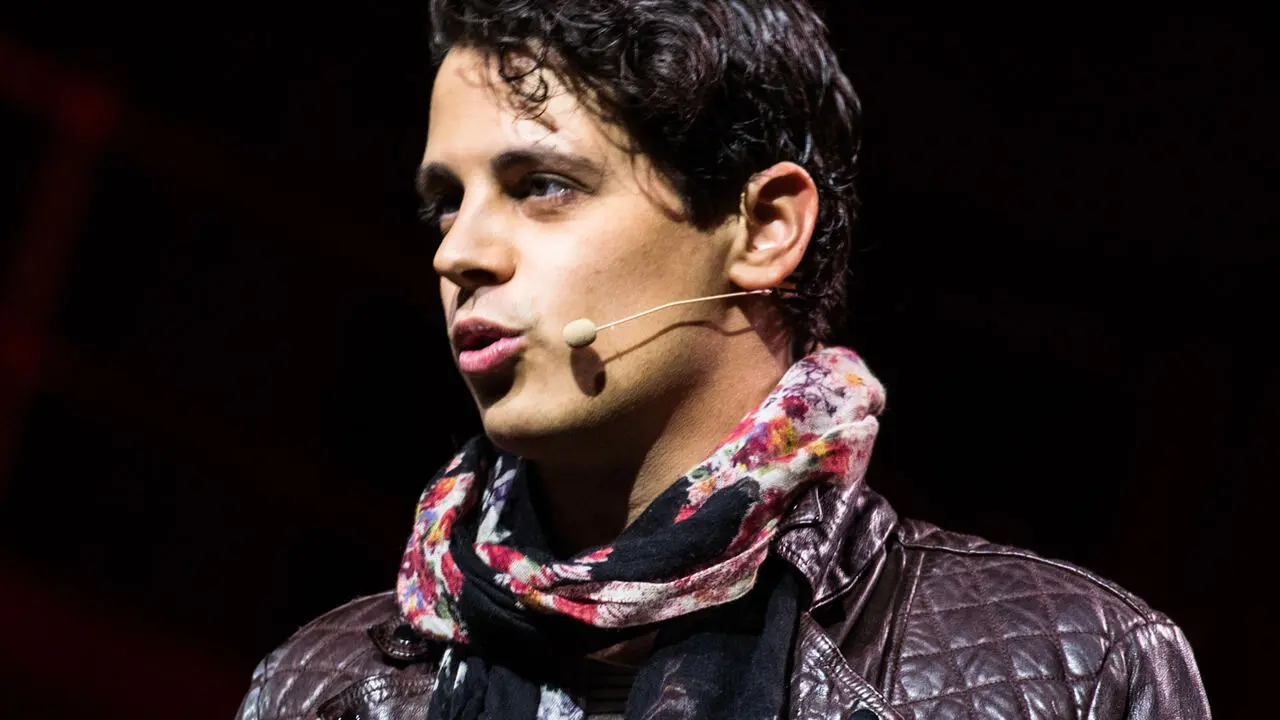
U.S. Immigration and Customs Enforcement arrested British political commentator Milo Yiannopoulos at Louis Armstrong New Orleans International Airport on Thursday, according to the Department of Homeland Security.
DHS says Yiannopoulos entered the United States legally through New York City in May 2019 but remained after his authorized stay expired. An immigration judge issued a final order of removal on July 22 after he failed to appear for an immigration hearing, the department said.
He is now being held in ICE custody pending removal from the United States.
The case is politically striking because Yiannopoulos built much of his public career inside right-wing media and has previously supported aggressive immigration enforcement. But the legal issue described by DHS is straightforward: entering the country legally does not authorize someone to remain indefinitely, and political affiliation does not create an exemption from immigration law.
What DHS says happened
Yiannopoulos, 41, is a British citizen who became widely known in American politics during the 2016 election cycle. He worked as an editor at Breitbart News, became a prominent online provocateur and later worked with rapper Ye, formerly known as Kanye West. He also spent time as an unpaid intern for then-Rep. Marjorie Taylor Greene.
According to DHS, his immigration history is separate from those political associations.
The department says he was lawfully admitted in 2019, overstayed his visa and then failed to attend a scheduled immigration proceeding. The final removal order issued in July gave ICE the legal basis to take him into custody for deportation.
Neither DHS nor the available federal detention record immediately identified an attorney representing Yiannopoulos. He had not issued a public response to the government's account as of Friday afternoon.
This is an immigration case, not a criminal conviction
The word “arrest” can obscure an important distinction. DHS says Yiannopoulos is being held for an immigration violation and removal—not because he was convicted of a new crime.
Immigration enforcement is generally civil rather than criminal. A visa overstay can still expose a foreign national to detention and deportation, particularly after an immigration judge has entered a final removal order. But an immigration arrest is not the same thing as a criminal conviction, and the two should not be conflated.
That distinction matters even when the person in custody is famous, controversial or politically unpopular.
Legal entry does not guarantee legal presence forever
The case also highlights a part of the immigration debate that receives less attention than unlawful border crossings.
Many people who are unlawfully present in the United States did not cross the border illegally. They entered through a lawful port of entry and remained after a visa or other authorized status expired. Once that authorization ends, continued presence can violate federal immigration law and lead to removal proceedings.
DHS's account places Yiannopoulos in that category: legal entry followed by an alleged overstay.
That does not eliminate the government's obligation to follow the law. Removal orders, notice requirements, hearings and opportunities for lawful review remain important safeguards. But due process does not mean that a final order can simply be ignored.
Enforcement cannot depend on political usefulness
The political temptation in a case like this is obvious. Yiannopoulos has supporters who may regard his arrest as betrayal, critics who may treat it as entertainment and activists who will try to turn it into a referendum on every immigration policy at once.
None of those reactions should determine the outcome.
If the government's account is accurate, the relevant questions are whether Yiannopoulos received proper notice, whether the removal order is valid and whether he has any remaining legal basis to stay in the country. His former employers, political opinions and public persona do not answer those questions.
An immigration system loses credibility when enforcement appears selective. The law cannot demand compliance from an unknown worker while creating a separate standard for a media personality with political connections. Equal enforcement means the same rules apply to allies, opponents and celebrities alike.
It also means the government must be precise and transparent about what it is doing. DHS should identify the legal basis for custody, honor any valid request for review and avoid turning a civil removal case into political theater.
What happens next
DHS says Yiannopoulos will remain in ICE custody pending removal. A final removal order generally places a case near the end of the administrative process, but litigation or other legal filings could still affect the timing.
For now, the confirmed facts are limited: ICE arrested him at the New Orleans airport, DHS says he overstayed after entering legally in 2019, and an immigration judge ordered his removal after a missed hearing.
The broader lesson is simpler. Immigration law is not supposed to bend according to a person's politics. If the order is lawful, it should be enforced. If Yiannopoulos has a valid legal challenge, it should be heard. That is what equal treatment under a serious immigration system requires.